Five Questions with an OG, Chris Feeney: WealthTech
04.22.2026
Chris
Feeney
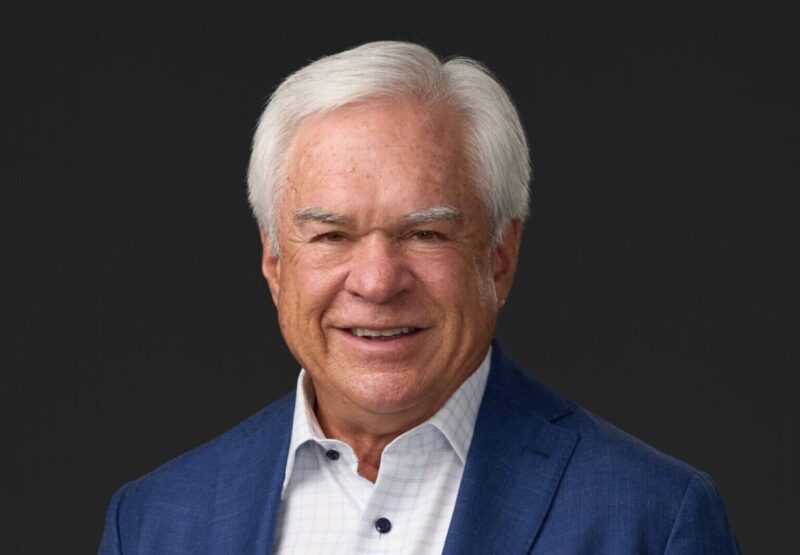
MissionOG is fortunate to be supported by a deep network of experienced operators and entrepreneurs. This entry is part of a blog series where we share perspectives from “OGs” – original innovators from specific market segments and/or business disciplines.
Wealth management is in the midst of a structural shift. Advisors are navigating rising client expectations, increasing portfolio complexity, and a rapidly expanding set of technology solutions including AI-driven workflows and integrated planning, reporting, and alternatives platforms. At the same time, the industry remains constrained by fragmented systems, operational inefficiencies, and the challenge of scaling high touch advice in a more digital-first world. The next phase of WealthTech will be defined not just by new tools, but by how effectively firms integrate technology to unlock advisor capacity and deepen client relationships.
Against this backdrop, we turn to MissionOG advisor Chris Feeney for his perspective. Chris spent the past decade as a Senior Fellow and President of BITS, the technology policy division of the Bank Policy Institute. In these roles, he worked across four administrations and with regulatory agencies to advance technology policy for the nation’s largest banks, investment firms, and financial institutions, focusing on emerging technology, cybersecurity, fraud and resilience. He served as a board member of fTLD Registry Services, the Cyber Risk Institute, Scottrade and firms including Quovo and Advizr. Prior to that, Chris was Managing Director and Chief Information Officer at LPL Financial.
Below, Chris tackles five of the most pressing questions concerning advances in wealth management and advisor technologies.
UNDER LEVERAGED WEALTHTECH OPPORTUNITIES: YOU BRING A UNIQUE PERSPECTIVE TO THE ADVISOR-PLATFORM WORLD – WHAT’S THE SINGLE MOST UNDER-LEVERAGED ADVISOR SERVICE OR TECHNOLOGY YOU SEE TODAY?
Over decades, my answer hasn’t changed much: it’s the availability and use of a truly integrated platform for day-to-day work. Advisors still cite administrative burden, compliance obligations, and the need to move across fragmented systems as their biggest challenges. Time spent navigating non-integrated platforms crowds out the higher-impact work clients actually value – context, judgment, and advice on how to achieve their goals.
The industry has made progress, with more integrated platforms, better planning tools, the rise of model portfolios, and improved digital access to account data. But it’s still rare for a firm to make day-to-day workflows seamless for advisors and their clients. The issue isn’t a lack of tools, it’s that too much effort goes into connecting systems and managing risk, while collaboration, advice orchestration, and advisor productivity get deprioritized.
On a personal level, I recently evaluated several advisory firms and this fragmentation was consistent across nearly all of them. It ultimately detracts from the time advisors can spend proactively guiding clients through life events and building new relationships.
SCALING FROM THE INSIDE OUT: WHEN BUILDING OR ADVISING INVESTMENT PLATFORMS, WHAT INTERNAL CHALLENGE IS MOST OFTEN OVERLOOKED BUT ULTIMATELY LIMITS SCALE AND ADVISOR ADOPTION?
Culture, process, and technology all matter, but culture is the most critical and must be set from the top. Scaling effectively requires long-term commitment and alignment across advisors, operating teams, and leadership.
The data reinforces this. Studies show 65-71% of advisors believe their tech stack needs improvement, and 57% say they’ve won new clients because of a prospect’s dissatisfaction with their previous advisor’s technology. Cerulli notes that heavy technology adopters with deeply integrated tools are three times more likely to be higher-growth practices.
The tools exist but building integrations tailored to your specific practice is essential. “Tech for tech’s sake” often leads to fragmentation rather than efficiency. A key constraint is time: how much time is an advisor willing to invest in designing and learning new systems, and changing long-held practices? Change is difficult but failing to adopt new technology can itself become a gating factor for growth.
THE HUMAN EDGE IN A DIGITAL ERA: AS DIGITAL TOOLS AND AI ACCELERATE, HOW DO YOU KEEP THE ADVISOR-CLIENT RELATIONSHIP FRONT AND CENTER?
It starts with the simple principle that technology should increase time spent with clients. Advisors already struggle to find time, while client needs grow more complex. I can envision a near-term future where task-oriented work is handled by AI and that time is reallocated toward client preparation and deeper engagement.
The second principle is defining how digital interaction complements in-person relationships. Investor expectations have evolved, with clients now expecting high quality digital access. But the fundamental desire for trusted advice at key life moments hasn’t changed. Whether it’s buying a home or navigating a new financial phase, clients still value and will pay for advice.
Digital tools should enhance that relationship by helping advisors anticipate client needs, understand context, and prepare more effectively. Tools that support scenario planning, investment education, and broader financial services (e.g., trusts, income strategies, charitable giving) ultimately strengthen rather than replace the human connection.
THE FUTURE OF ACCESS TO ALTERNATIVES: WHAT STRUCTURAL SHIFT DO YOU FORESEE IN HOW ADVISORS ACCESS ALTERNATIVE INVESTMENTS AND HOW SHOULD THEY PREPARE?
We’re moving from access as a product to access as infrastructure. Alternatives will increasingly be delivered through integrated platforms rather than one-off relationships. For both RIAs and wirehouses, scaling alternatives requires curated, model-friendly menus delivered through standardized workflows and transparent diligence.
Advisors will need a deeper understanding of these products, the expertise to educate clients, and the ability to clearly communicate portfolio fit, risk, and liquidity tradeoffs.
The firms that excel will focus on integration across data, reporting, and billing, while unifying workflows for onboarding, subscriptions, capital calls, and distributions. They’ll also provide household-level performance and tax reporting.
The future isn’t just about adding more funds, it’s about making existing access more reliable, explainable, and economically viable for a broader range of clients.
INNOVATION IN WEALTHTECH: WHAT EMERGING TECHNOLOGIES WILL HAVE THE GREATEST IMPACT ON HOW ADVISORS SERVE CLIENTS AND BUILD THEIR BUSINESSES?
First and foremost: AI. While recent market volatility has reflected concerns about AI’s impact on wealth management and broader tech sectors, I expect adoption to follow a familiar pattern – low- to medium-level automation of routine tasks and high-value augmentation of complex work.
Firms investing early, measuring both efficiency gains and adoption, and reinvesting saved time into client engagement and growth will outperform.
AI and agentic capabilities can improve how firms source market intelligence, run portfolio simulations, and analyze performance data across fragmented systems. The firms that take a long term, coordinated approach and align advisors, operations, and technology will lead.
We’re already seeing early examples. Morgan Stanley has deployed a knowledge-based chatbot across 15,000 advisors, alongside tools like Debrief to capture meeting notes and action items. These are early but meaningful steps.
Beyond AI, several areas are particularly compelling:
- Next Best Action (NBA) tools that use in-depth analysis to drive more personalized client engagement
- “Total wealth” platforms that unify custody, alternatives, liabilities, and planning into a single view, identifying opportunities and recommendations at scale
- Client-facing apps that enable interactive digital collaboration on financial plans
- Alternatives platforms that bring private assets into portfolio construction and reporting
Ultimately, the most impactful innovations will be those that expand advisor capacity and bring family office level capabilities to a much broader client base.